



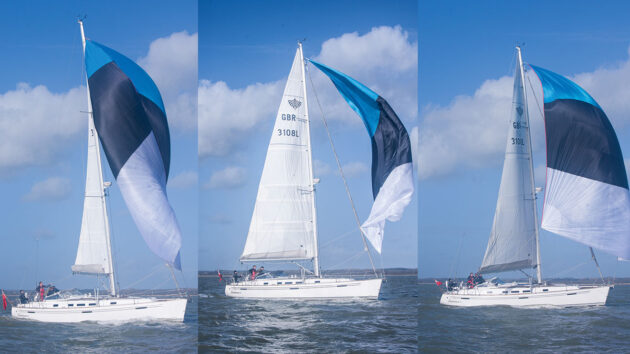
Knowing how to gybe with a cruising chute will give you the confidence to make the best use of it. PBO's David Harding shows you how
Using your cruising chute starts with getting it up and filling. Knowing how to douse it afterwards is just as important.
But what about the bits in between? Once it’s up there, how do you get the chute working to best advantage – and what happens if you need to change course? If you’ve ever set it only to find it flapping around aimlessly, or had to drop it again to gybe, read on…
Gybing
In heavy airs, or if you’re feeling cautious, you can drop/snuff/furl the chute, swing it across to the other side of the boat and re-hoist.
Otherwise it’s much quicker to gybe and, with a little practice, you will probably wonder why you’ve never done it before. Unless you have a long bowsprit, like sports cruisers with asymmetric spinnakers such as the J-boats, for example, lead the ‘lazy’ sheet (the one not doing the work on whichever tack you’re on) around the front of the sail, outside everything. Then you’re set for an ‘outside gybe’.
This is generally easier and, importantly, it provides less scope for tangles.
The rule of thumb with gybing asymmetrics, whether inside or outside, is to ‘gybe the sail before you gybe the boat’. Don’t take that too literally, because you can’t normally bring the sail all the way round until the boat has gybed, but it’s vital to have the sail well on the way before the wind comes from the other quarter.
If you gybe the boat first, the sail is more likely to blow through the gap between the forestay and the mast and, potentially, get wrapped around the forestay. That’s when things can get messy.
How to carry out the perfect gybe
Credit: David Harding
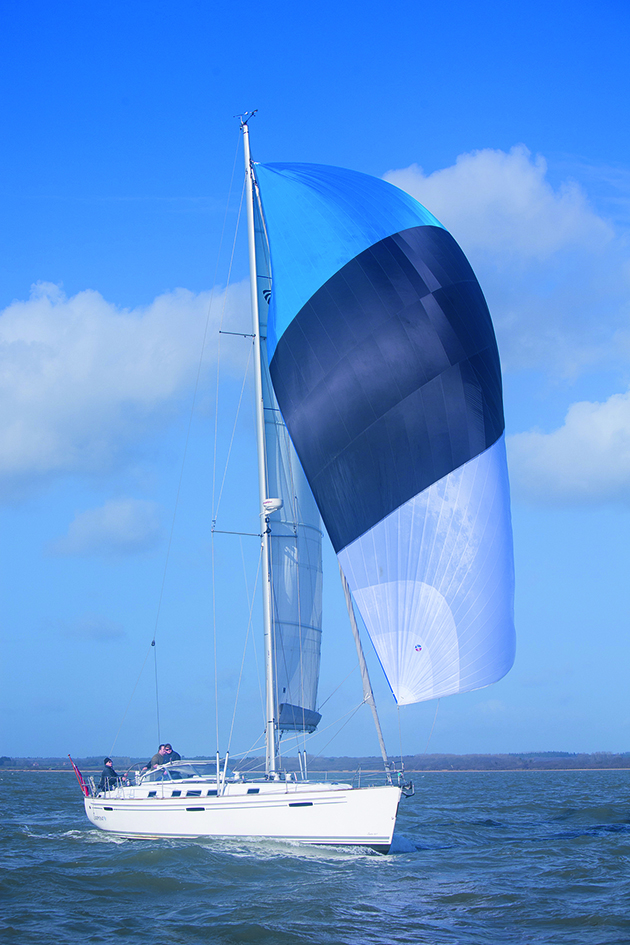
1. At the helm, Jim sails as deep downwind as he can while still keeping the chute filling.
Credit: David Harding
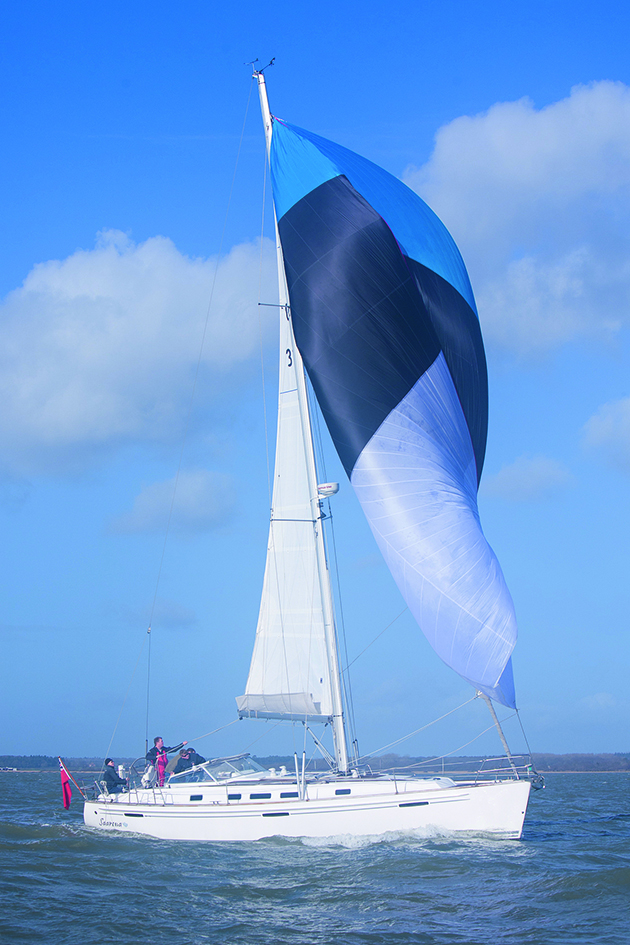
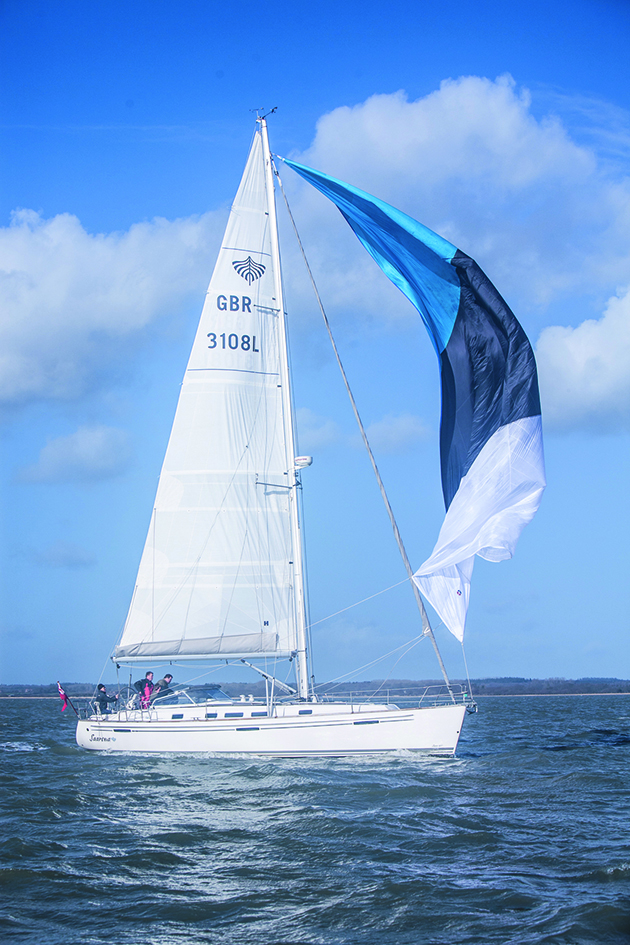
2. Chris is letting off the port sheet – the one that was doing the work – while Jack pulls in the starboard sheet, rotating the sail in front of the forestay.
Credit: David Harding
3. It doesn’t look very pretty at this stage because you will never keep a cruising chute filling throughout a gybe. What matters is that the sail isn’t tangled and it’s all still in front of the forestay. The boom can come across now.
Credit: David Harding
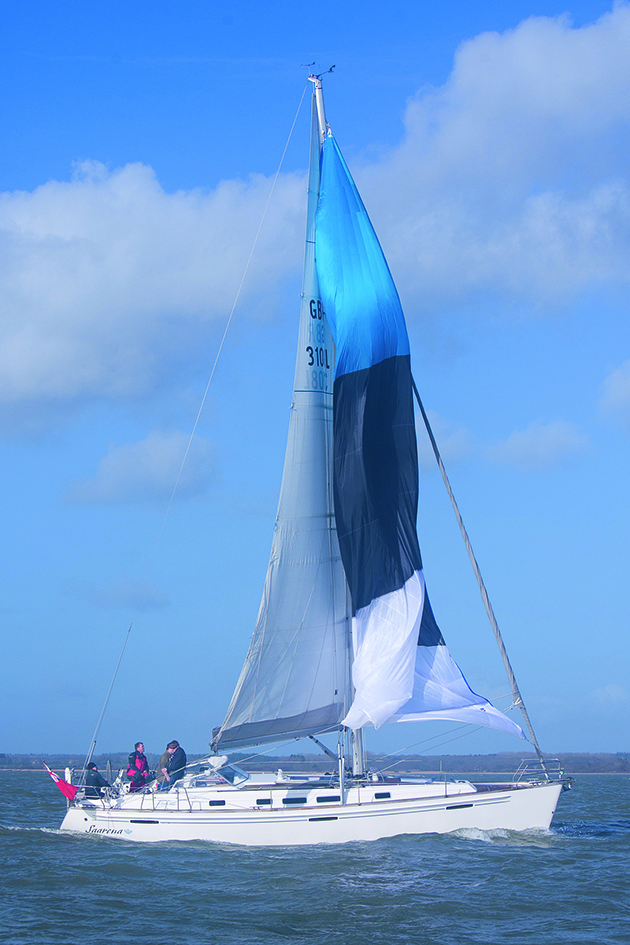
4. The sail has now come round to starboard as Jack keeps sheeting in. Jim has started to steer further to port…
Credit: David Harding
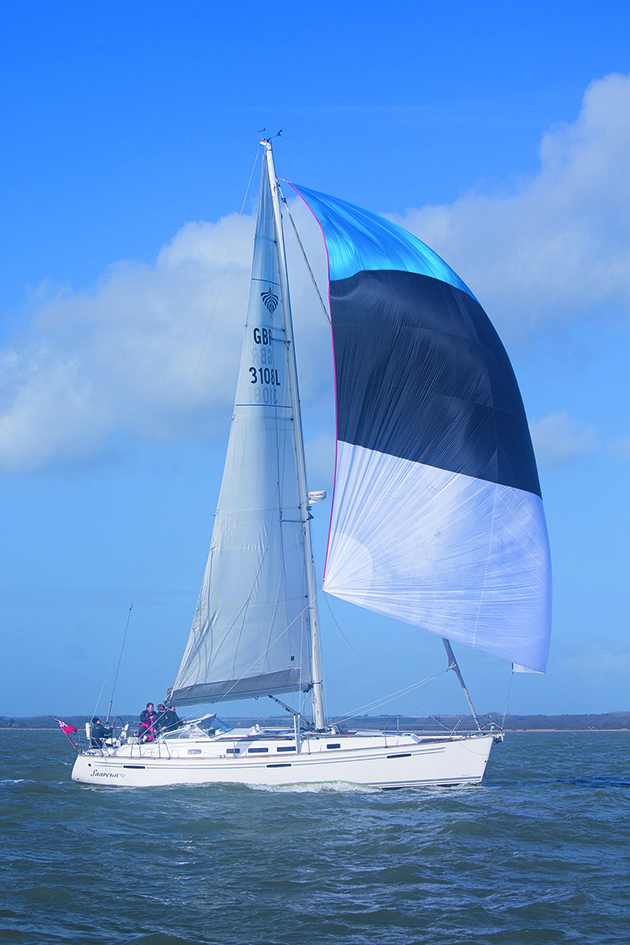
5. Gybe complete! The chute is filling on port tack. Total time for this gybe was 19 seconds. It might take a little longer until you get used to it.
How to rescue a gybe that’s going wrong
Credit: David Harding
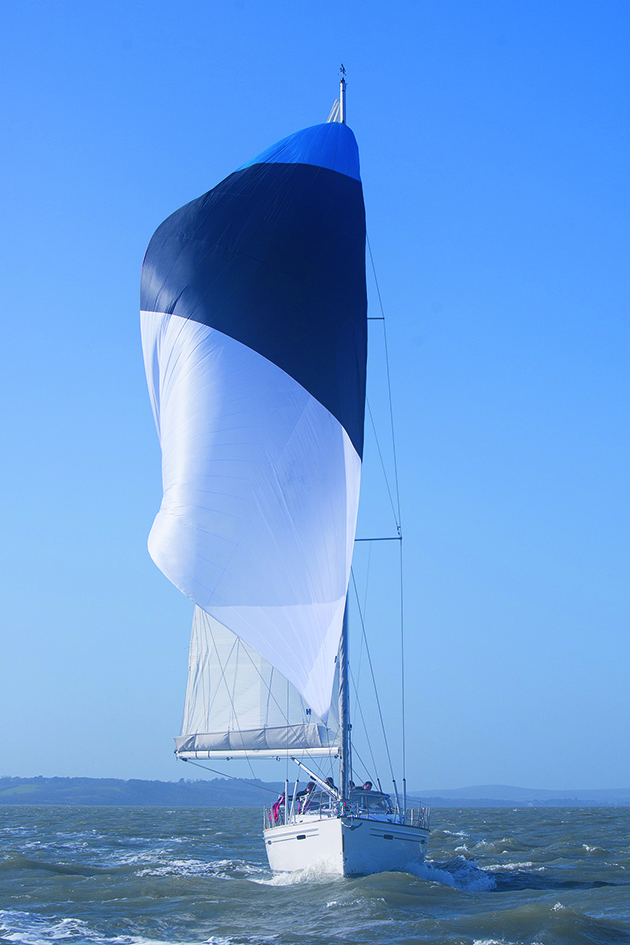
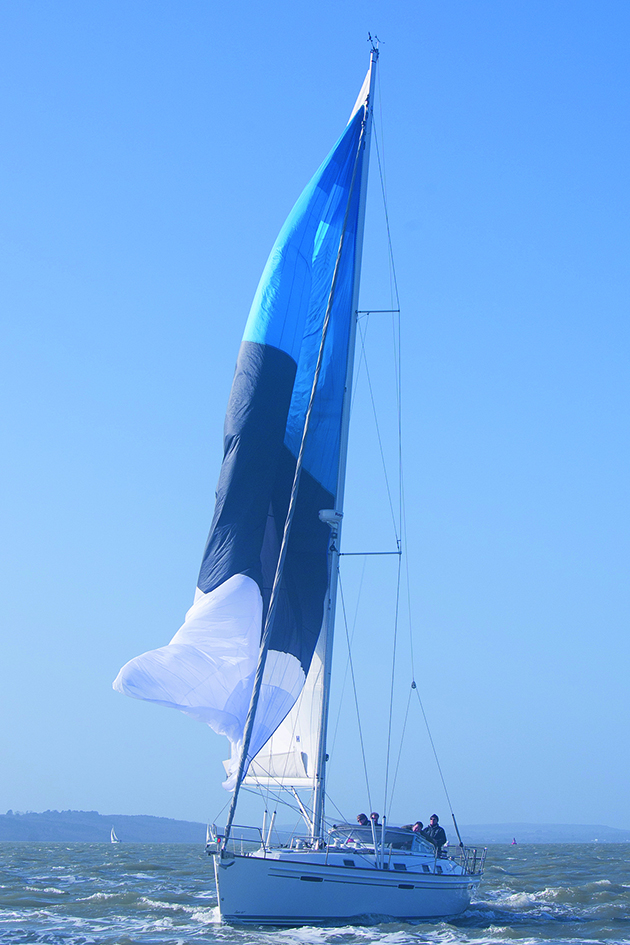
1. This starts well enough. The boat is almost dead downwind as the crew prepares to dump one sheet and bring the new one in.
Credit: David Harding
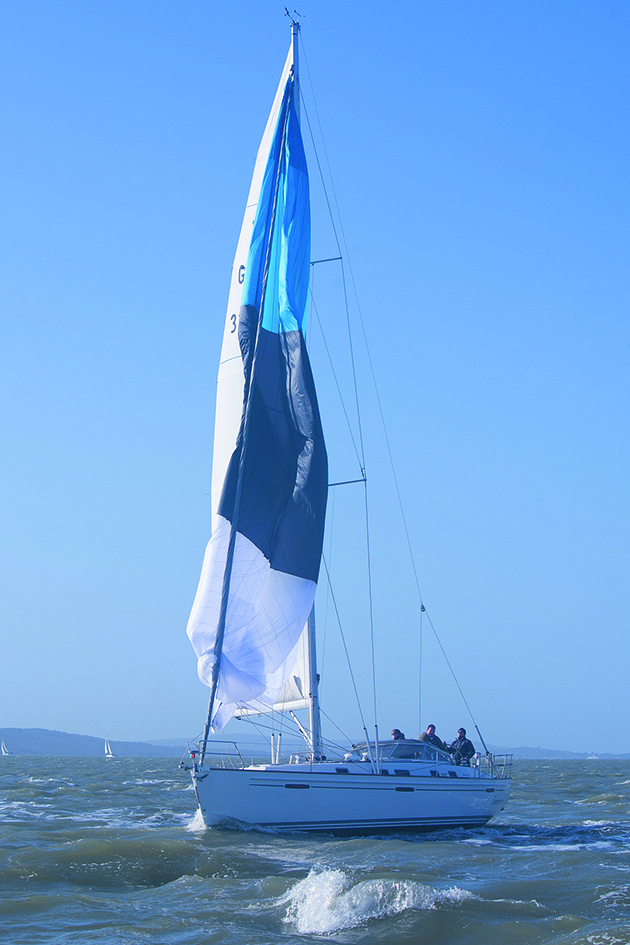
2. This is not looking good. Whether the boat has started to turn too fast or the crew is bringing the sail across too slowly, the effect is the same. Coordination is the key.
Credit: David Harding
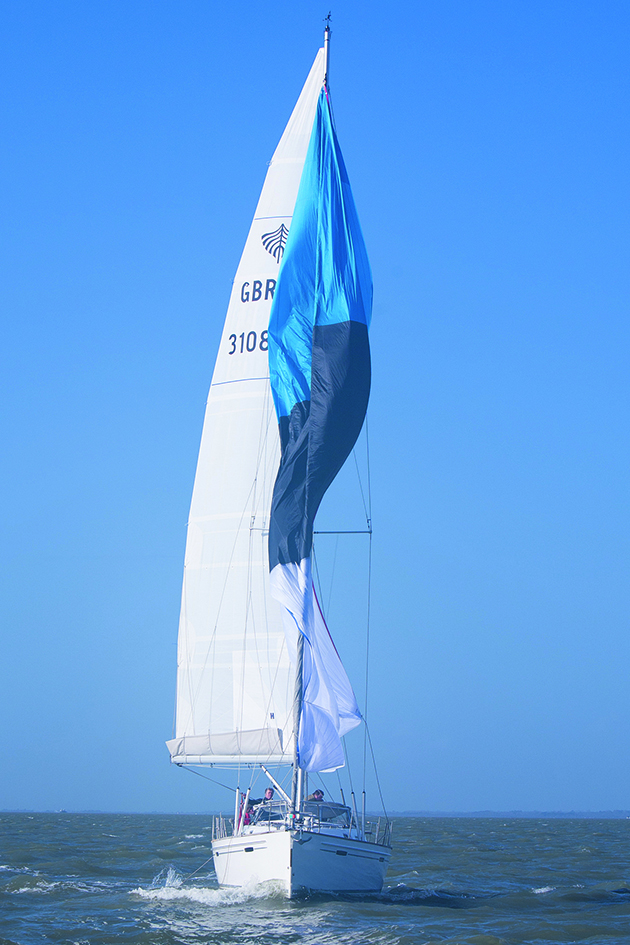
3. If the boat were to complete the gybe now, the chute would end up inside the forestay and that could make life difficult.
Credit: David Harding
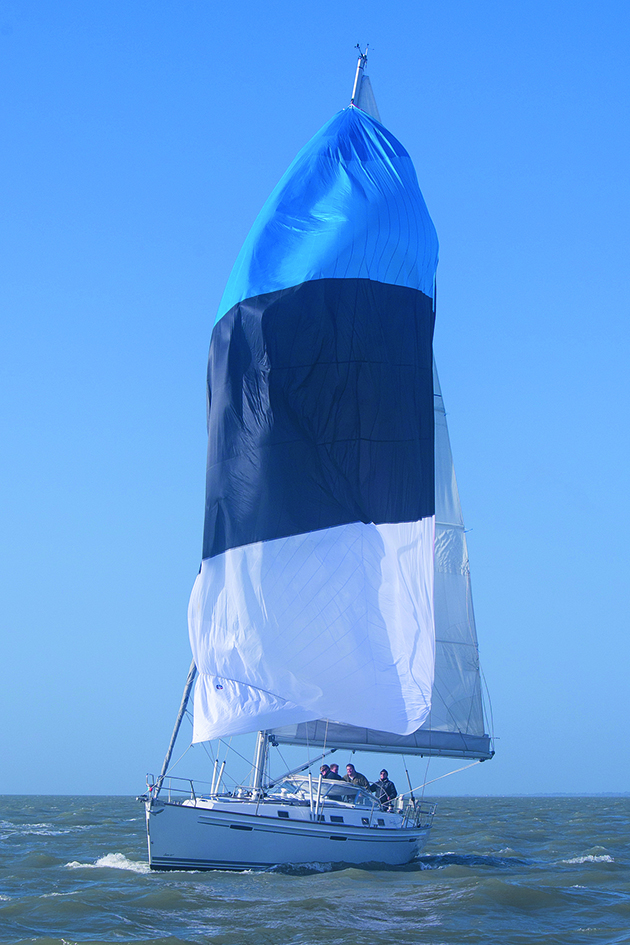
4. The solution is to bring the boat back on the original course. The sail doesn’t need to start filling again – it just needs to be in front of the forestay. The clew is already nearly back to the cap shrouds, so things are looking better.
Credit: David Harding
5. The sail is starting to fill on the new side – and it’s only three seconds since the last shot.
Credit: David Harding
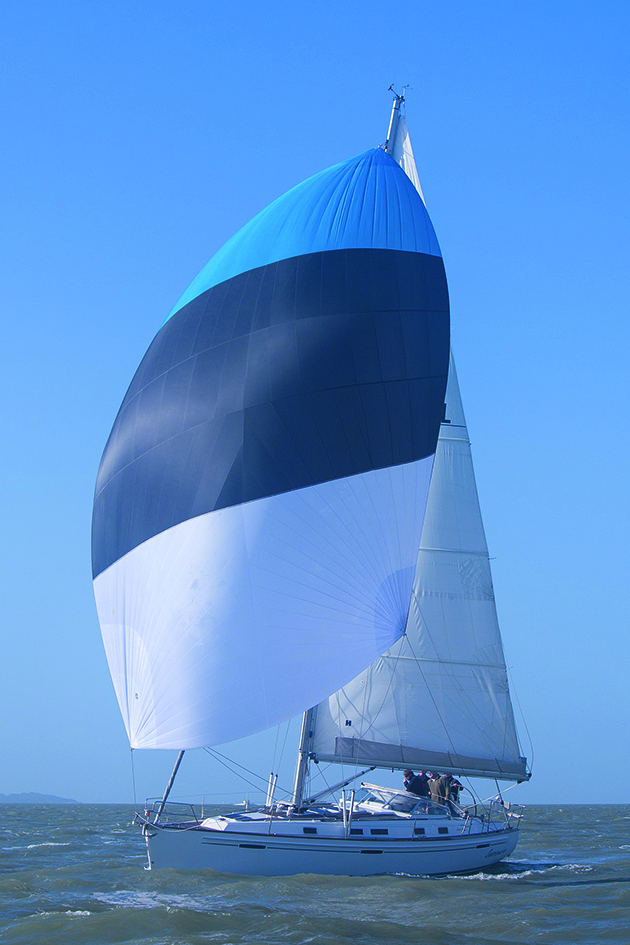
6. Another four seconds and it’s back to business as usual. Like most aspects of boat-handling, successful gybing is not only about avoiding situations that might lead to tangles – it’s also knowing how to get out of them before they present a problem.

Cruising chute or spinnaker? We compare both sails on the same boat on different points of sail
Many cruising sailors favour a cruising chute over a spinnaker – but how do the two sails compare on different…

How to use a cruising chute
For non-racing sailors, a cruising chute is often the downwind sail of choice: it’s nothing to be afraid of, but…
How to avoid spinnaker broaching
Spinnakers and cruising chutes can make downwind sailing fun and faster – as long as you don’t let them take…

Broaching on a boat and how to prevent it
When the breeze picks up, how do you stop your boat taking charge and going where it wants? David Harding…
What to read more seamanship articles like Gybing a cruising chute?
A subscription to Practical Boat Owner magazine costs around 40% less than the cover price.
Print and digital editions are available through Magazines Direct – where you can also find the latest deals.
PBO is packed with information to help you get the most from boat ownership – whether sail or power.
-
-
-
- Take your DIY skills to the next level with trusted advice on boat maintenance and repairs
- Impartial, in-depth gear reviews
- Practical cruising tips for making the most of your time afloat
-
-
Follow us on Facebook, Instagram, TikTok and X