



The decision by the US Coast Guard to adopt e-flares over traditional pyrotechnic distress signals has been welcomed by manufacturers of electronic visual distress signaling devices (eVDSDs).

The US Coast Guard’s ALCOAST 234/25 directive, which came into effect in April, replaced traditional MK-124 pyrotechnic distress signals with approved eVDSDs aboard US Coast Guard boats.
Reasons cited for the move to e-flares include: a brighter, more consistent light output for increased visibility; extended operational life; and enhanced safety as “eVDSDs eliminate the hazards associated with handling and deploying pyrotechnic flares, reducing the risk of burns, misfires, and accidental ignition.”
Some Australian states also allow eVDSDs but international standards mean pyrotechnic flares are legally required aboard many commercial and 13.7m-plus leisure vessels.
PBO’s gear expert Rupert Holmes said: “It’s more than faintly ridiculous that in many jurisdictions (though not the UK for boats under 13.7m) there is a requirement to carry fireworks on board, when there are now well-proven and much safer options.
“As a secondary benefit, e-flares also have a significantly longer lifespan and are more sustainable.”
New standard needed
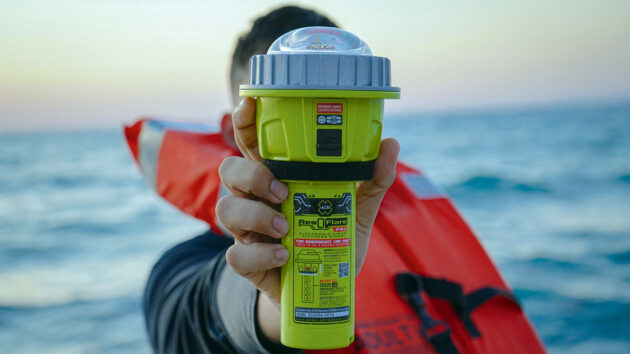
e-flares remove the risk of burns, misfires, and accidental ignition associated with pyrotechnic distress signals. Credit: ACR Electronics
Mikele D’Arcangelo, vice president of global marketing and product management at ACR Electronics and Ocean Signal, which manufacture eVDSDs, heralded the US Coast Guard decision as ‘a major shift in marine safety.‘
He added: “ACR Electronics and Ocean Signal are calling for a global standard that could be adopted by the International Maritime Organization (IMO) and other maritime agencies to recognise the technology as an internationally-approved distress signal for all users, instead of country-by-country approvals.”
British Marine stance on e-flares

One problem for pyrotechnic flares is the lack of opportunity for sailors to practice with them. Demonstrations before the start of the Atlantic Rally for Cruisers (ARC) are always well attended. Credit: James Mitchell/WCC
British Marine’s technical director Ed Tuite said: “British Marine recognises the potential benefits e-flares could offer as an alternative to traditional pyrotechnic distress signals, including advantages around carriage, storage, maintenance and disposal.
“However, the fundamental consideration must always be safety.
“Any electronic alternative needs to provide an equivalent level of effectiveness and visibility to the recognised pyrotechnic signals it is intended to replace, across the range of conditions in which it may be needed.
“This is particularly important during daylight, when signals such as orange smoke can provide a highly visible means of locating a vessel or person in distress.
“Current UK guidance MIN 542 on recognised distress signals and alternatives to pyrotechnic flares reflects the need to ensure that distress signalling equipment can be reliably detected when it matters most.”
He added: “British Marine would be very willing to contribute its industry expertise to the development of appropriate standards, whether through ISO or at national level.”
“No proposals to amend the flares requirement have been received,” says the International Maritime Organization
An IMO spokesperson told PBO: “Any of the IMO’s 176 Member States may propose amendments to the International Convention for the Safety of Life at Sea (SOLAS).
“No proposals to amend the flares requirement have been received.
“In June 2025, the Maritime Safety Committee instructed the Sub-Committee on Ship Systems and Equipment to work on reviewing testing requirements for pyrotechnic distress signals, to ensure performance and reliability.”
Pyrotechnics are ‘300 times brighter’ than a typical e-flares
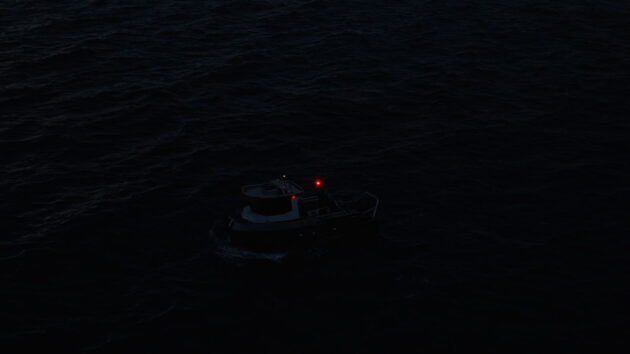
A person on a boat at night holding a red Electronic Visual Distress Signal. Credit: Wescom
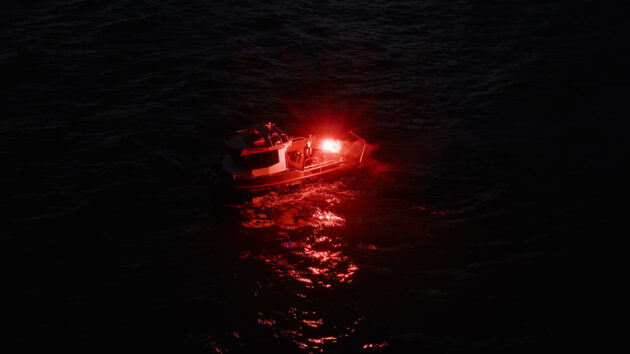
A person on a boat at night holding a red hand flare. Credit: Wescom
Sean McCrystal from safety and survival company Wescom, which sells both pyrotechnic and electronic flares, argues in favour of pyrotechnics.
He said: ‘Pyrotechnic signals are carried by every commercial vessel travelling the world’s oceans, because of their unparalleled signalling capabilities in an emergency.
“They are 300 times brighter than a typical eVDS, offering over the horizon detection over a distance of 25 miles from a rocket’s 300m reach.
“They can be used day and night, are waterproof and self-powered, ensuring they are always ready in an emergency.
“To the untrained eye they may be considered ‘fireworks’, but marine pyrotechnics undergo stringent independent testing on height, activation, brightness and safety delays for ISO and SOLAS.
“Their performance comes from years of marine experience, their consistency comes from rigid quality control and the reason the IMO legislates they are carried, is because they save lives.”
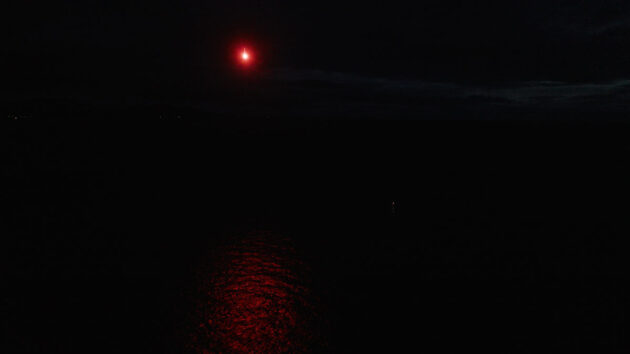
A red rocket at night. Credit: Wescom
Fire extinguishers are generally fixed where everyone can see them on a cruising yacht. However, other safety gear like the… Do we still need pyrotechnic flares? Recommendations and laws for distress signalling in many countries are behind the times. VHF… Decades on, Rupert Holmes looks at what the Morning Cloud 3 tragedy taught us about heavy weather sailing
See-though fiddles for flare storage

Are pyrotechnics still the best boat flares? Modern alternatives explained
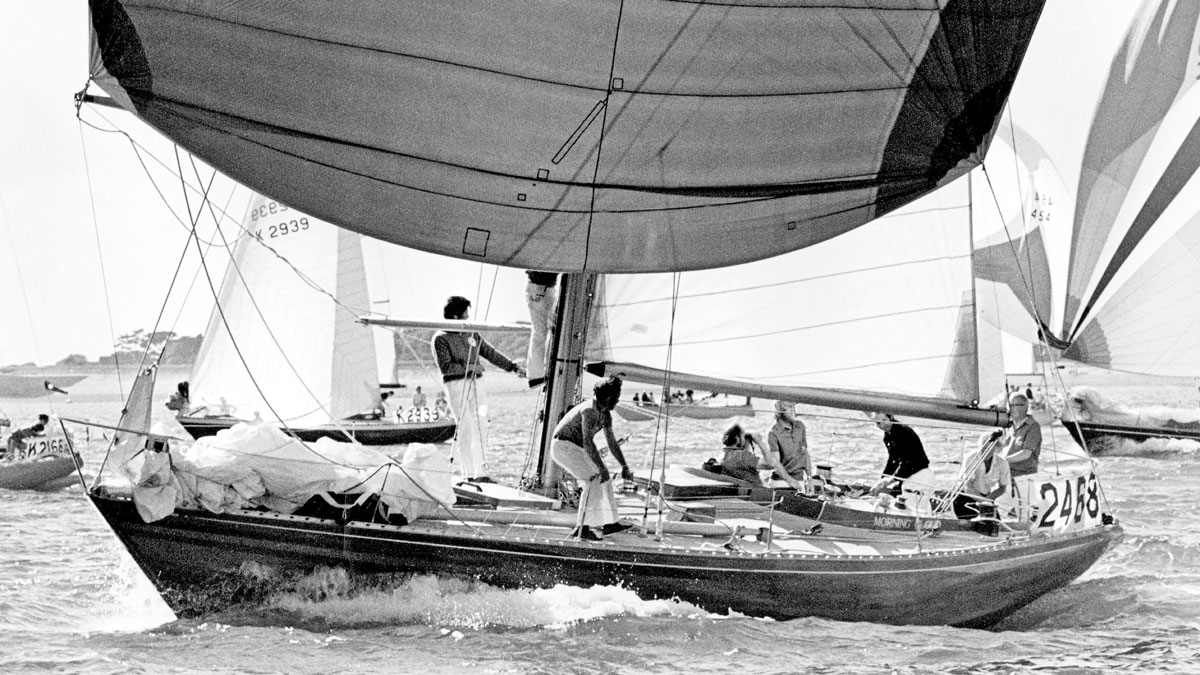
Lessons learned from the sinking of Morning Cloud 3
What to read more features like Call for global recognition of e-flares?
A subscription to Practical Boat Owner magazine costs around 40% less than the cover price.
Print and digital editions are available through Magazines Direct – where you can also find the latest deals.
PBO is packed with information to help you get the most from boat ownership – whether sail or power.
-
-
-
- Take your DIY skills to the next level with trusted advice on boat maintenance and repairs
- Impartial, in-depth gear reviews
- Practical cruising tips for making the most of your time afloat
-
-
Follow us on Facebook, Instagram, TikTok and X