



Tony Nield improvised a jury rudder from a headboard after the aluminium rudder on his Seal 22 failed in the Menai Strait
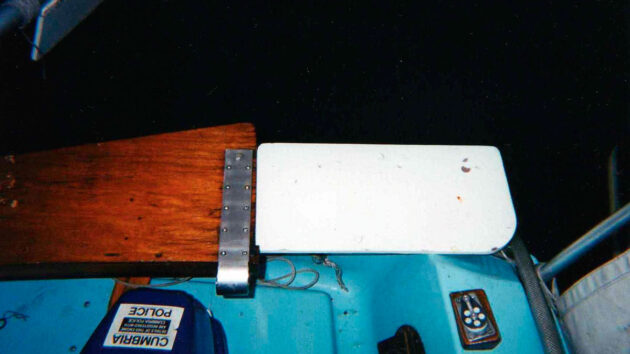
The original rudder of the Seal 22 is a ruggedly constructed unit comprising a heavy stock laminated from marine plywood which hangs on the transom, with a pivoting blade of 8mm boiler plate. As far as I know, these original rudders do not fail but are very heavy to ship and unship, especially for trailer-sailing.
For this reason, many owners have been tempted – as I was – to build a lighter one. I decided to substitute 10mm aluminium for 8mm steel for the plate: given that the density of aluminium is only about one-third that of steel, there would still be a substantial weight saving. A friend who is a consulting engineer reassured me that this should be sound: the increase in thickness should compensate for the lower strength and stiffness of the aluminium.
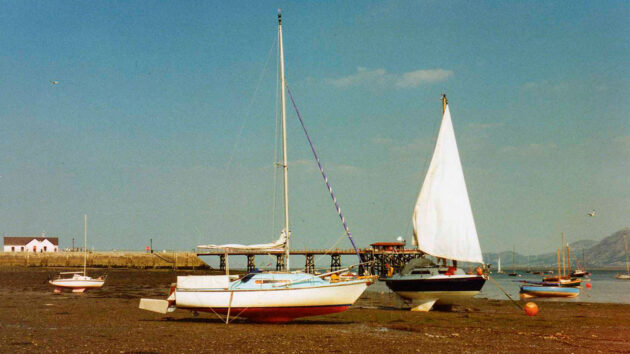
Tony Nield’s Seal 22, dried out at Beaumaris in Anglesey, Wales. Credit: Tony Nield
For this experiment I managed to scrounge the aluminium (of uncertain ancestry) from a friendly scrap dealer. Having cut out the blade with a jigsaw – a long, slow job – and having profiled the leading and trailing edges with a rasp (more blisters), I was still not convinced of the strength of the finished part, so I devised a test unknown to British Standards. I rested the blade horizontally on the ground, on a house brick at each end, and then jumped up and down on it as hard as possible in the centre. Nothing broke or bent, and there was no noticeable flexing either. Now satisfied with it, I painted and fitted it.
BANG!
For three or four years all went well. It was probably just my imagination, but I convinced myself the boat went faster with less weight on the transom, less dead wood, less drag and all that. However, one day I was sailing, with an enthusiastic but not very experienced friend, from Menai Bridge up the strait past Puffin Island towards Moelfre. The wind was building all the time, and we had just decided that the upwind bash to the pub at Moelfre was not worth it. Rowing ashore in my tiny inflatable would have been risky in the conditions, and we would have been late back for a family barbecue in the evening.
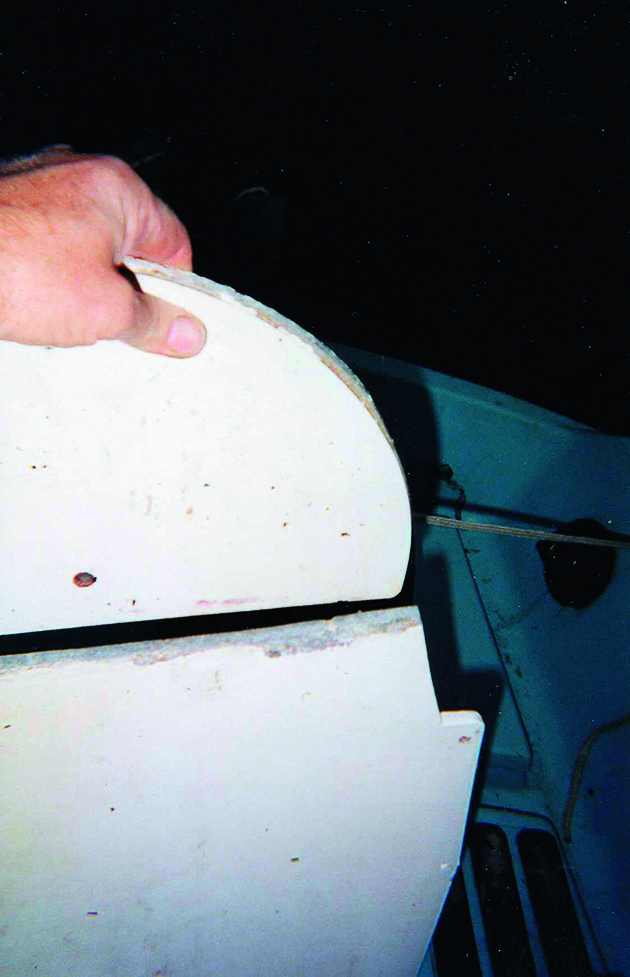
The broken rudder. A jury rudder was needed to get home. Credit: Tony Nield
By then the wind was probably about Force 5 or 6, and I had already been forced to drop the main to carry out a running repair with spinnaker tape where the top horizontal seam had started to split. When we turned back somewhere off Red Wharf Bay we had a quartering sea which was lifting the stern and swinging us off course.
I really had to heave on the tiller: unusual for the Seal, which is normally light on the helm. After I did this for a while, a bigger wave lifted and pushed the stern to starboard, so I heaved again on the helm, and BANG! In effect, the rudder was stalled, and the blade was being shoved sideways through the water until it broke off along the line of maximum stress where the blade exited the clamping effect of the stock, which also coincided with the waterline.
Steering on the sails
First I had the difficult job of securing the broken blade which was crashing about the stern, suspended by the wire rope strop of the downhaul. Hanging precariously over the transom, I managed to grab the blade and lash it to the old outboard engine bracket, retained for its convenience as a boarding step. I could not unscrew the shackle which was out of reach underwater, and the wire strop passed through a fixed fitting and had a hard eye at both ends, preventing it from being released.
Next we tried steering on the sails like it says in the books. I had done this before, in perfect conditions on the River Fal in a dinghy after its plywood rudder had broken off. With a gentle breeze ahead of the beam that wasn’t difficult, but this was different: a lumpy quartering sea and a following wind. We were all over the place.
I took off all sail, started up the outboard in the well, unlocked the steering clamp and tried steering with the engine – but still to no avail. At this point I was really worried and also feeling responsible for my friend, who was quite unconcerned and showing a touching (but unjustified) confidence in me. Finally I resorted to the VHF radio, and the good folks from the RNLI saved the day.
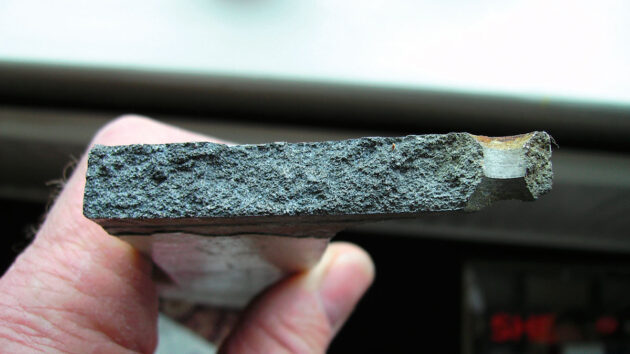
The sheared edge of the rudder resembled a broken digestive biscuit, with crystals suggesting metal fatigue. Credit: Tony Nield
The big lifeboat arrived from Moelfre in no time to tow us back to the strait. We have never gone so fast. It was more like waterskiing, with a huge bow wave flying over the cockpit. They asked if we minded being dropped off at Beaumaris instead of Menai Bridge so they could be back on station sooner: we were most grateful and happy with this, so they helped us to pick up a buoy there before roaring off, as we had elected to stay on board to see what else could be done.
Once we were securely on the buoy, I felt rather ashamed at having called out the lifeboat. We hadn’t been in imminent danger with the wind offshore, and we could perhaps have anchored, tried to ride out the weather and attempted to rig a jury rudder. But I was soon very glad I had called for help: after a cup of tea, I went on deck with my anemometer to find the wind was now Force 7, gusting 8, and it was very uncomfortable even on the mooring. There was no way we could have limped home in those conditions.
Building a jury rudder
After an unpleasant night during which I had plenty of time to think, I came up with plan C (or was it D? I had lost count). We still had no rudder, and had to get back to our drying mooring at Menai Bridge. Many years before I had made headboards which slotted into the bunks to prevent collisions between the heads and feet of sleepers lying in line on each side of the cabin. I had decided that they should have a dual function, and drilled a number of holes in them to allow them to be lashed to a pole to make a sweep or jury rudder…
By morning the wind had died down and I was able to hang overboard, release the problem shackle and recover the broken blade. Now it could be examined, the sheared edge resembled a broken digestive biscuit, with a mass of crystals suggesting metal fatigue. I have since been told that aluminium, unlike steel, does not have a lower stress level below which fatigue does not occur.
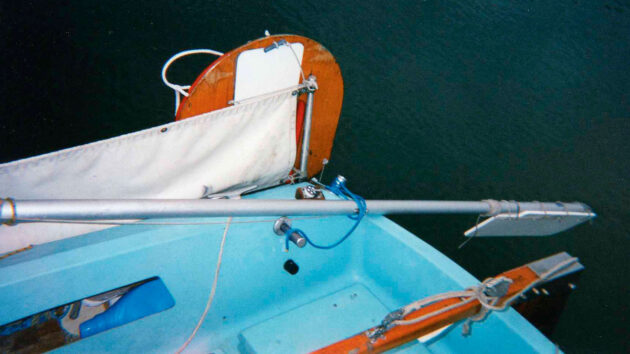
The other headboard was lashed to the spinnaker pole to make a steering sweep. Credit: Tony Nield
In other words, even tiny stress reversals in sufficient number can weaken it. It makes me wonder if aluminium or its alloys should ever be used in this application? We removed the other broken piece from the rudder stock and wedged in and bolted one of the headboards to make a small rudder compared with the real one. We shipped this and lashed the other headboard to the spinnaker pole to make a steering sweep in case the tiny rudder proved ineffective.
Back to the drawing board
During the night, I had come to the conclusion that steering with the outboard the previous day may have failed because of the keel: small motorboats without a deep keel steer quite well with relatively small rudders or just a swivelling outboard.
To test this theory we wound up the Seal’s drop keel before setting off under power alone – with steering outboard, tiny jury rudder and emergency sweep. We dropped the mooring and opened up the throttle. I thought the small jury rudder ought to work better at higher water speed, and it seemed to do so. We never needed the sweep.
With the keel up she steered quite well, although she needed larger angles of incidence to turn. We had an uneventful trip back to the bridge and a drying mooring, then I drove home to triple-sew a mainsail and collect half a hundredweight of boilerplate from the back of the garage. Much later, I went back to the drawing board for another solution.
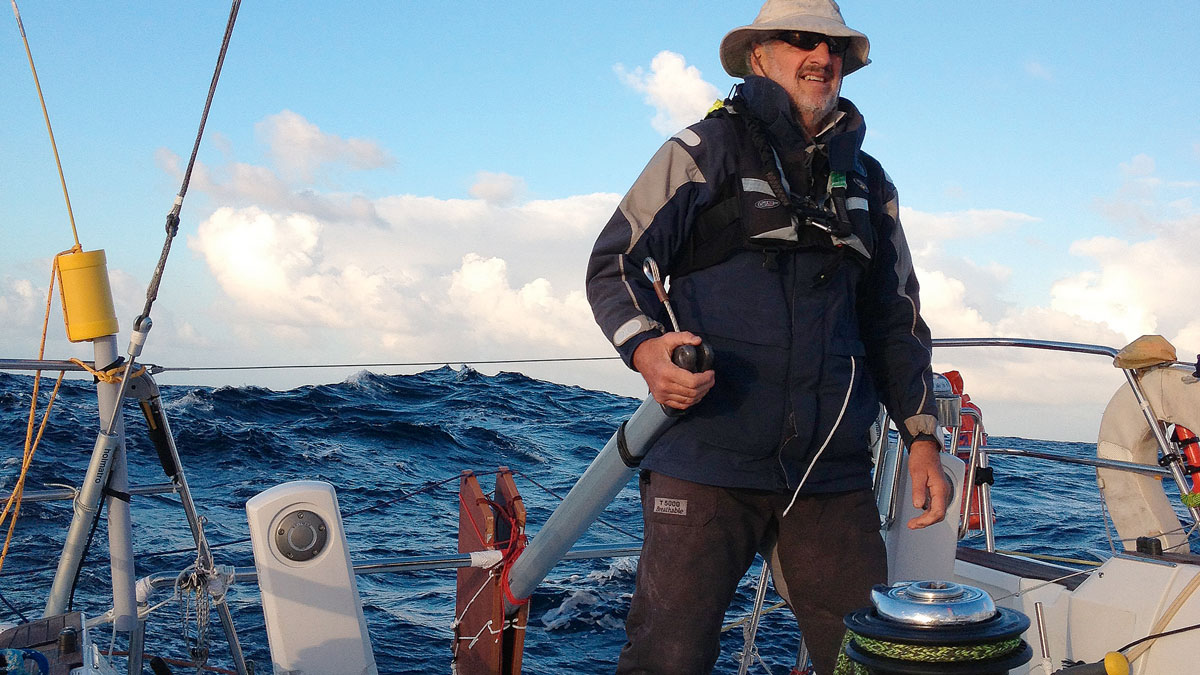
200 miles offshore with no rudder: How four sailors built a jury rudder from cabin doors
Stranded 200 miles offshore in big seas without a rudder is every sailor’s nightmare. The crew of Quokka found a…
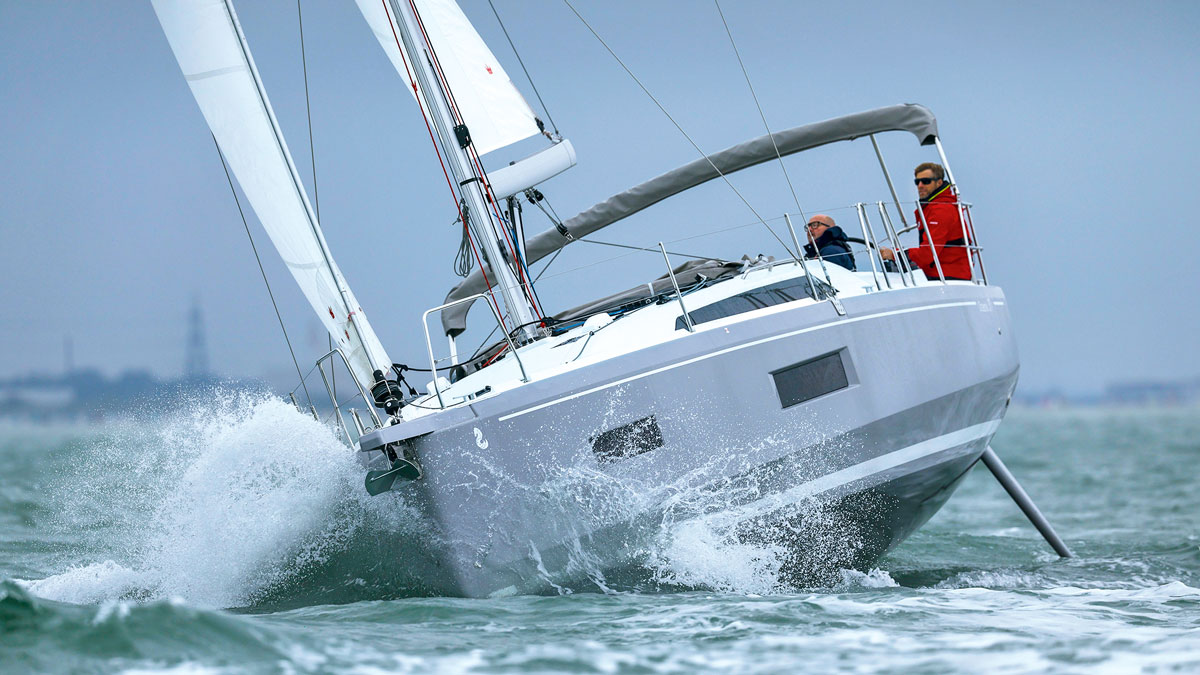
Boat rudders: everything you need to know
Delivery skipper Ben Lowings examines how different popular rudder designs affect handling, and explains how to maintain them
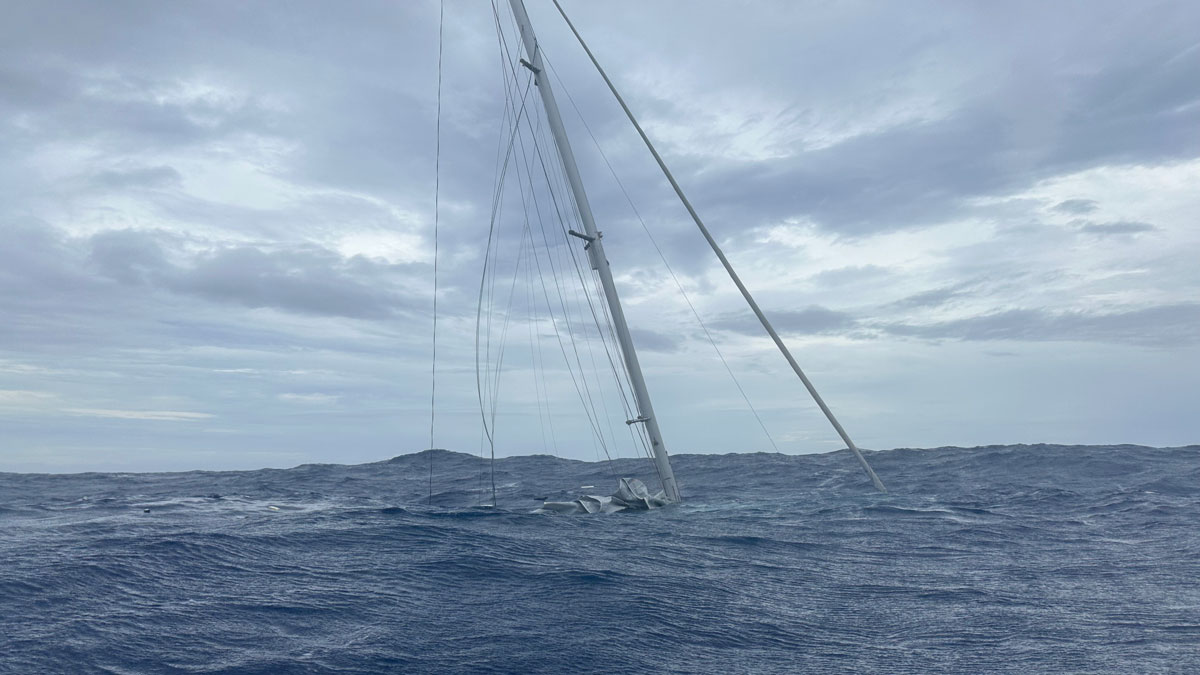
Arcona yacht sinking: Couple share how they tried to save their boat after the rudder stock broke
Ingmar and Katarina Ravudd tell PBO about the steps they took to save their Arcona yacht after a broken rudder…

‘The steering wasn’t working. I felt my stomach sink’ – rudder failure in the Pacific
Steering loss aboard a Maxi 120 mid-Pacific reminds Charlie Pank of a previous rudder failure on a Beneteau Idylle many…
Want to read more practical articles like How I made a jury rudder from a headboard?
A subscription to Practical Boat Owner magazine costs around 40% less than the cover price.
Print and digital editions are available through Magazines Direct – where you can also find the latest deals.
PBO is packed with information to help you get the most from boat ownership – whether sail or power.
-
-
-
- Take your DIY skills to the next level with trusted advice on boat maintenance and repairs
- Impartial, in-depth gear reviews
- Practical cruising tips for making the most of your time afloat
-
-
Follow us on Facebook, Instagram, TikTok and X